Europe accelerates offshore wind development plans
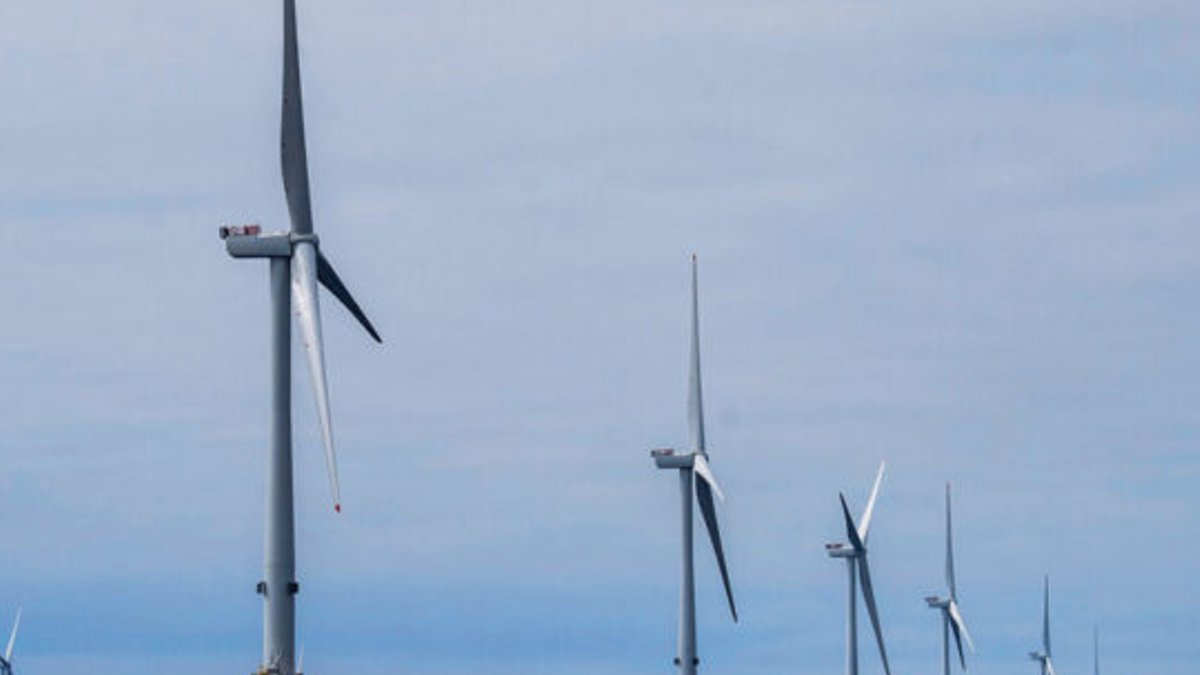
In January 2026, the Hamburg Declaration set the stage for the North Sea to become a 100 GW offshore wind hub. However, the abrupt closure of the Strait of Hormuz soon after transformed this long-term climate initiative into an urgent matter of national security. This crisis has spurred rapid action, pushing the project from a gradual plan to an immediate priority.
As governments expedite auctions and private investors struggle to keep up, the financial system faces a critical test. The current regulatory and financial framework is under strain, as it was not designed to handle such a swift deployment. Arif Gasilov, a partner at the ESG and sustainability consulting firm Gasilov Group, emphasizes that the financing structure is no longer a distant planning exercise but an urgent response to the current crisis.
François Le Scornet, President and Senior Consultant at Carbonexit Consulting, argues that the crisis has raised offshore wind from a climate initiative to a core industrial security strategy.
Accelerating Investment
The urgency is reflected in recent developments. Germany has announced an additional 12 GW of auction volumes in response to the supply disruption, while the UK has advanced its AR8 offshore auction to July 2026. This ‘Hormuz premium’ is forcing fund managers to reassess risk-return profiles for projects deployed in months rather than years.
Le Scornet cautions that the 100 GW target is only achievable if governments stop assuming private capital will bear the burden alone. To meet this goal, Europe needs approximately 15 GW per year from 2031 to 2040.
These contracts, known as Contracts for Difference (CfDs), set a fixed price, shielding developers from market downturns and consumers from price spikes.
Challenges and Complexities
The absence of standardized contract templates for hybrid projects remains a hurdle, forcing institutional investors to manage long-term currency volatility on a case-by-case basis. Gasilov notes that developers must structure PPAs across GBP/EUR splits, which erode the already slim profit margins of offshore wind projects.
The primary challenge is not just capital but risk allocation, particularly concerning grid investment, congestion, curtailment, and price gap compensation. Le Scornet highlights that policy differences between the UK and EU remain a significant investor concern.
Public risk mitigation is key, with the European Investment Bank and the UK National Wealth Fund playing vital roles.
Capital, primarily raised through green bonds, is another key pillar. However, the pricing of these instruments reveals that the ‘greenium’—the lower interest rate for green labels—is a significant factor.
Hilda Afeku-Amenyo, a researcher at Montclair State University, notes that the ‘greenium’ explains why institutions like the EIB offer loans to North Sea countries instead of creating joint green bond programs for the region.
According to Afeku-Amenyo, demand, not just climate impact, drives the corporate green premium, currently between three and eight basis points. A major obstacle for the Hamburg Declaration’s implementation is Taxonomy alignment.
The sectoral concentration of corporate green bonds is also concerning, with 79 percent of EU Taxonomy-compliant bonds coming from utility companies, despite utilities representing only five percent of the EU’s economic output.
In its first year, the EU Green Bond Standard has seen approximately €22 billion in issuance, with major players like TenneT Germany and Eurogrid issuing EuGBS-aligned bonds.
Afeku-Amenyo observes that these developments indicate a shift toward a common green bond standard rather than a unified issuing authority.
The standard is evolving faster than bond pooling, leaving the idea of a ‘North Sea Green Bond’ as a key unresolved issue in European finance. Denmark issued its first sovereign EuGBS late last year.
Even with capital secured, the legal void in international waters remains a significant challenge. Gasilov points out that projects spanning multiple jurisdictions require separate permitting and conflicting Environmental Impact Assessments.
The lack of a supranational regulatory body creates policy uncertainty, deterring long-term investors like pension funds. Gasilov warns that biodiversity has shifted from an ESG metric to a material financial risk.
Despite substantial investment, the North Sea Hub faces obstacles. A unified authority is needed to manage consenting and dispute resolution across Exclusive Economic Zones (EEZs).
Experts stress the need for cross-border contract templates to address GBP/EUR splits and price gap risks, which arise when prices between the UK and EU diverge unexpectedly.
Financial and Regulatory Challenges
A basin-wide methodology for pricing biodiversity is essential, turning environmental protection into a predictable financial metric. This would help investors and developers assess environmental risks.


