Low-Alcohol Beers Fuel Growth as Consumers Adopt Moderation
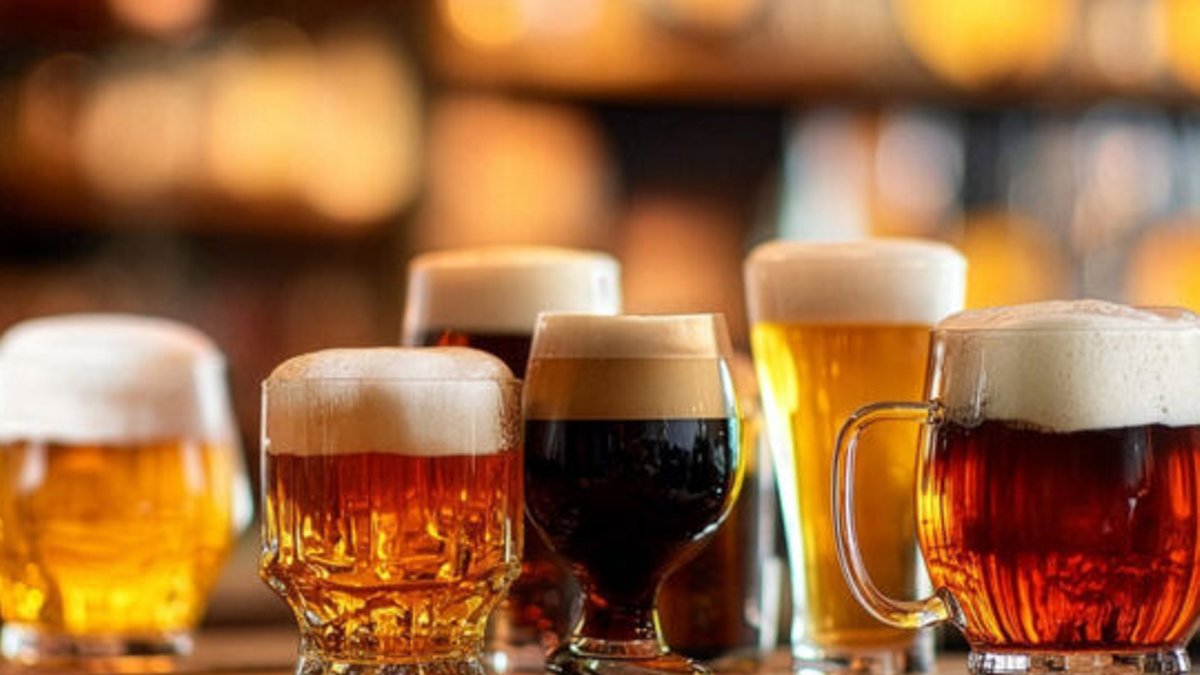
Lower- and no-alcohol beers are becoming staples in supermarkets, pubs, bars, and restaurants as consumers adopt moderation. This shift is driving rapid growth in the lower- and no-alcohol beverage market. Beer, with its naturally lower alcohol content—typically five percent ABV or less—is a popular choice for those seeking moderation. Compared to cocktails like Negronis, Martinis, or Old Fashioneds, which can exceed 20–30 percent ABV, or wine at 12 percent ABV, beer offers a significantly milder option.
A beer’s character comes from the interplay of malted barley sweetness, hop bitterness, and yeast esters during fermentation. Brewers preserve this unique profile in their lower- and no-alcohol alternatives, setting beer apart from other beverages.
Beer’s Role in the Moderation Trend
The global beer industry is uniquely positioned to meet the growing demand for moderation, with brewers worldwide adapting to this cultural shift. IWSR forecasts that no-alcohol beer and cider will drive nearly 70 percent of the overall no/low-alcohol growth between 2022 and 2026. Beer and cider make up 97 percent of the EU’s lower and no-alcohol market.
Moderate drinking has public health benefits. A WHO Europe study in Russia found that policies encouraging a shift from high-strength alcohol to lower-alcohol beverages improved public health indicators. Similarly, a Portman Group study in the UK revealed that 21 percent of consumers reduced their weekly alcohol intake after trying lower- and no-alcohol alternatives. These findings highlight how beer, with its lower ABV, can contribute to healthier drinking habits on a societal level.
Beer’s Economic and Social Impact
The beer industry significantly supports local economies, with 86 percent of brewers’ supplier spending occurring in local markets. This spending benefits a diverse range of sectors, including farmers, trucking companies, and hospitality businesses. Workers in the beer industry are also highly productive, particularly in developing nations. Oxford Economics reports that brewers generate $117,000 of GDP per worker in lower-income countries, 18 times the average. This economic multiplier effect demonstrates the industry’s role as a catalyst for local development and job creation.
Beyond economics, pubs, bars, and restaurants serve as vital community spaces. The availability of lower- and no-alcohol beers in these establishments has made them more inclusive, allowing customers to enjoy the social tradition of sharing a beer, regardless of alcohol content. This inclusivity supports a sense of belonging and strengthens community bonds, making these venues more accessible to a broader audience.
Policy Support for the Beer Industry
Policymakers can further support the beer industry by regulating alcohol based on beverage type and strength. This approach would encourage the production and consumption of lower-alcohol products like beer. Many OECD countries already apply lower excise tax rates to beer compared to hard liquor, with even lower rates for no-alcohol options. Such policies not only promote public health but also incentivize innovation in the lower- and no-alcohol beer sector.


