Global economies feel war’s hidden costs beyond battlefields
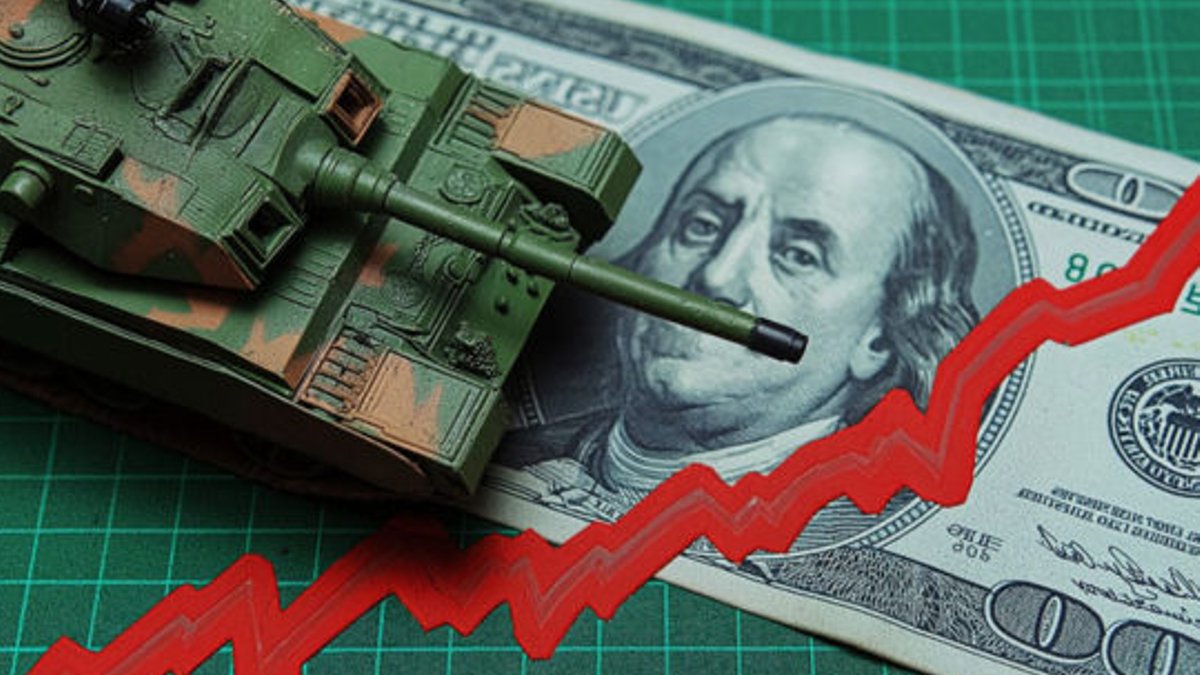
The Strait of Hormuz has become the latest focal point in the growing tensions between the US, Israel, and Iran, yet its economic consequences stretch far beyond the region. What started as a localized military standoff now influences global markets, with financial repercussions spreading across economies in ways that obscure the true expense of warfare.
Hidden economic costs: who absorbs the real expense?
Conflict’s financial impact rarely stops at the battlefield. Direct military spending—whether measured in tens or hundreds of billions—represents only a fraction of the total cost. Broader economic damage, transmitted through energy, food, and financial markets, often surpasses these figures. The International Monetary Fund has already highlighted how current tensions are weakening global growth, as surging energy prices and inflation force tighter monetary policies and slower expansion.
The process works in predictable stages. Higher oil and gas prices raise transportation and energy costs. Rising fertilizer prices drive up food expenses. Central banks respond by raising interest rates, which further stifles economic activity. Yet these indirect effects remain absent from official war budgets. Research on past conflicts, including the Iraq War, demonstrates that when macroeconomic factors are included, the true cost swells into the trillions, far exceeding defense expenditures.
Even the US, a central participant in this confrontation, may face only a portion of the global damage. The rest is distributed unevenly: energy-dependent nations, emerging markets, and households worldwide shoulder the heaviest burden. European Central Bank President Christine Lagarde recently emphasized that economic fallout from conflicts does not remain isolated; it propagates through interconnected systems, affecting every economy.
Three reasons war’s true cost stays hidden
The gap between perceived and actual expenses stems from three key features of modern warfare. First, globalization has transformed economic vulnerabilities into systemic risks. The Strait of Hormuz is not merely a geographic bottleneck but a vital hub in the global economy. Disrupting it does not simply hinder shipping; it sets off cascading disruptions across supply chains, trade networks, and financial markets.
Related Post: Global rent prices continue to rise sharply
Second, war operates with a delayed financial impact. Governments fund conflicts through debt, shifting costs to future generations. The long-term consequences, rising public debt, limited policy flexibility, and enduring obligations, often persist long after the initial conflict ends. This delayed accounting makes the immediate expense of war appear artificially low.
Third, decision-makers concentrate benefits while costs spread widely. Those who authorize military action rarely experience the full consequences. Economist Paul Collier of Oxford University has shown that wars endure not because they serve collective interests but because they benefit narrow groups. Small factions capture gains while broader populations absorb losses. In today’s interconnected economy, this imbalance intensifies: conflicts become channels for economic contagion, turning global systems into unintended damage amplifiers.
This distorted pricing creates predictable outcomes. When true costs remain hidden, activities become undervalued. Subsidized risks lead to excess, too much pollution, too much risk-taking, and, in this case, too much conflict. The result is a flawed system: what seems expensive in theory becomes affordable in practice because the financial burden is shifted elsewhere.
Who carries the financial load?
Historical patterns confirm this dynamic. The Iraq War’s total cost, when including long-term healthcare, veteran support, and macroeconomic effects, far exceeded initial military budgets. Similarly, the Ukraine conflict has sent shockwaves through global energy markets, with European economies absorbing higher prices while Russia’s direct costs remain minimal compared to the overall damage. The same principle applies here: the US and its allies may invest heavily in defense, but the economic consequences will be worldwide.

Low-Alcohol Beers Fuel Growth as Consumers Adopt Moderation


