Iran Vows Retaliation as U.S. Tightens Sanctions
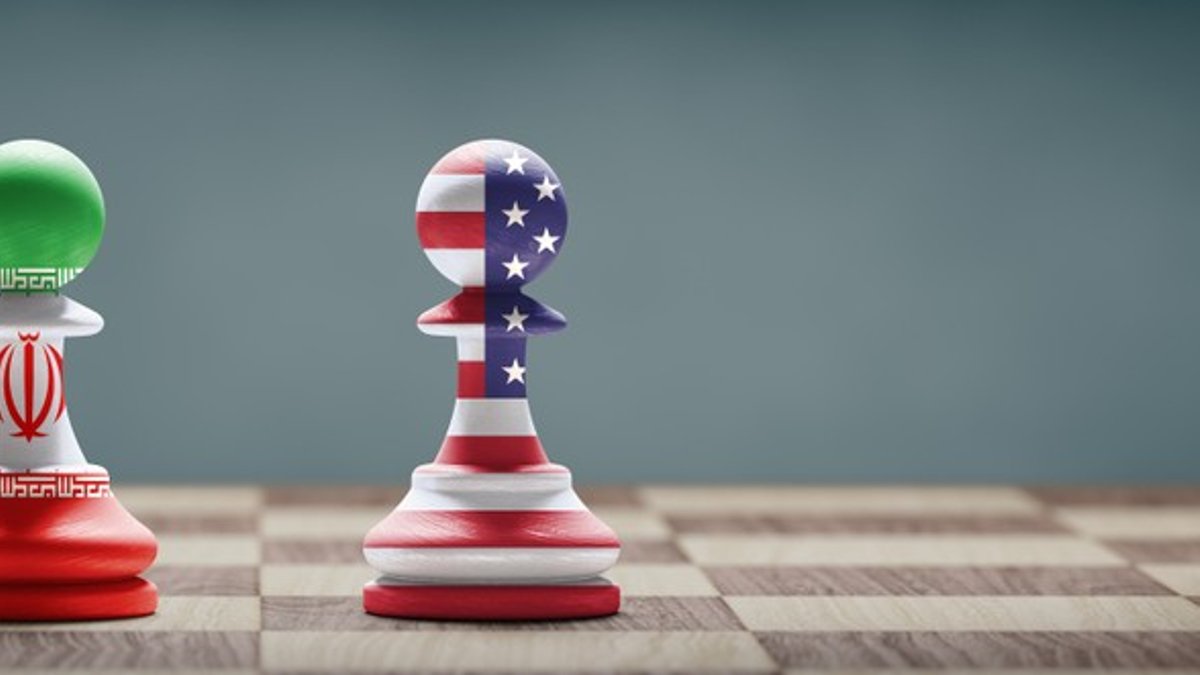
The U.S. Treasury Department announced a new wave of sanctions on Monday targeting Iran’s trade networks, a move that drew an immediate threat of retaliation from Tehran. The sanctions, part of an initiative dubbed “Operation Economic Outcast,” aim to pressure Iran by targeting its partners and giving them time to sever ties with the Islamic Republic.
Targeting the Trade Network
Treasury Secretary Scott Bessent led the announcement, detailing a list of 60 individuals, entities, and vessels subject to the penalties. Oil trade remains a primary focus for Washington, as the administration attempts to choke off revenue streams for Tehran. Despite the aggressive naming of specific targets, the list notably did not include major Chinese financial institutions that are suspected of facilitating Iran’s oil sales.
Analysts suggest the exclusion of these Chinese banks is a calculated risk by Washington. The U.S. is reportedly unwilling to provoke a direct confrontation with China over these sanctions, fearing that targeting Chinese entities could trigger significant economic retaliation.
Tehran’s Response and Market Impact
In response to the financial pressure, Iran’s economy minister, Ali Madanizadeh, stated that the country is “fully prepared for the U.S. sanctions.” He characterized the American approach as an economic terrorist attack but claimed Tehran possesses the tools to counter it. His comments signaled a shift in Iran’s defensive posture, suggesting the country may be preparing to move beyond defensive measures.
Related: JPMorgan and Santander Lead Argentina LNG Financing
Madanizadeh also noted that Russia and China have rejected the latest sanction salvo, expressing hope that other trade partners would follow suit. The statement follows the announcement on Monday of “Operation Economic Outcast”, targeting Iran’s trade partners and giving them an unspecified period of time to wind down their activities involving Iran. The U.S. Treasury also sanctioned a total of 60 individuals, entities, and tankers, with oil trade remaining a prime target for sanction action from Washington. The list, however, did not include any of the major Chinese financial institutions suspected of facilitating Iran’s oil trade. According to analysts cited by Reuters, the U.S. is unwilling to risk Chinese retaliation to any specifically targeted action on Chinese entities doing business with Iran in oil.
Iran, meanwhile, threatened military action in response to the sanctions before they were formally announced. Despite these unfavorable developments in a war that has caused a global energy commodity crisis, oil prices moved lower at the start of the week, although they remain considerably higher than pre-war levels.
China serves as the primary market for Iranian crude, purchasing over 80% of the country’s oil exports. However, the situation on the ground is deteriorating rapidly. The Strait of Hormuz crisis and, more specifically, the U.S. naval blockade of Iran has caused a sharp drop in those exports, with shipments since the start of this month estimated at 534,000 barrels daily, down from 823,000 barrels daily in July. By Irina Slav for Oilprice.com

JPMorgan and Santander Lead Argentina LNG Financing


