China’s Independent Refiners Face Oil Price Spike
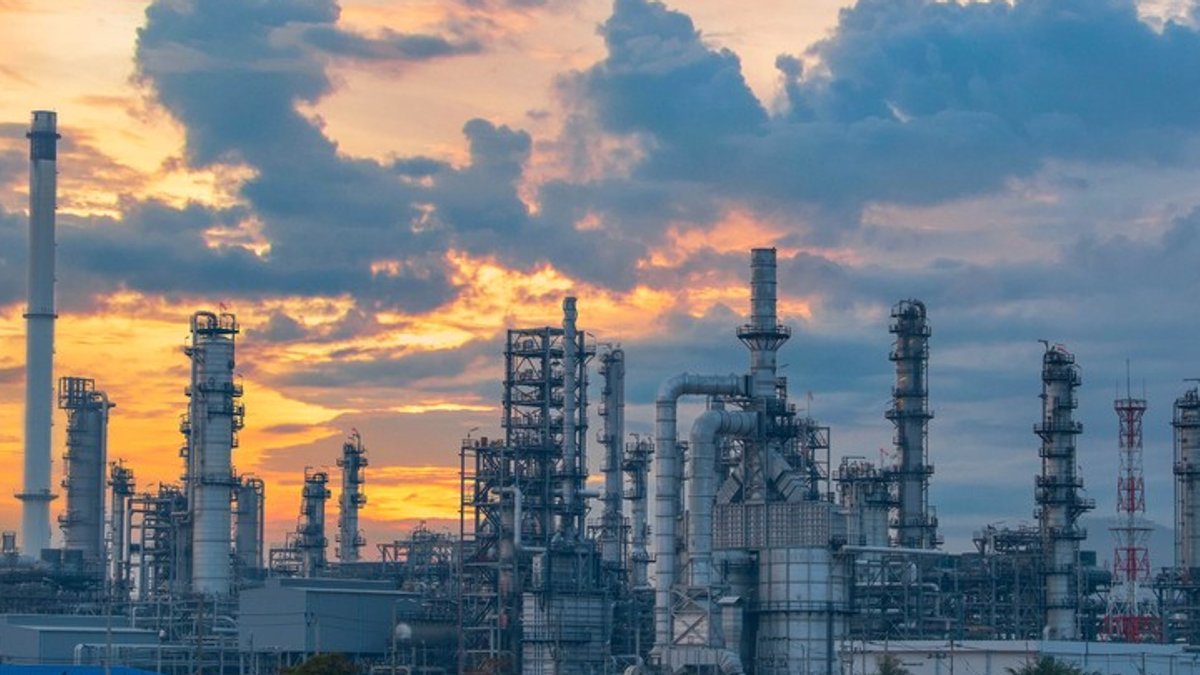
Chinese independent refiners may start reducing their processing rates as international oil prices rise and supply from major exporters such as Venezuela and Iran dries up due to U.S. foreign policy decisions.
Tightening Margins
“Teapots are unlikely to be able to afford a full shift to mainstream grades,” an Energy Aspects analyst said this week, as quoted by Bloomberg. These so-called teapots are more sensitive to adverse oil market changes because their refining margins are slimmer than those of state-owned majors. The margins have already fallen to breakeven, down from around $10 per barrel in early July, Jianan Sun added.
Independent refineries, often colloquially referred to as “teapots” due to their smaller scale compared to giant integrated national complexes, operate under significantly tighter constraints. Unlike the state-owned giants that benefit from government subsidies and guaranteed market access, these smaller players must survive on pure commercial viability. Consequently, when global prices climb, the cost of feedstock eats directly into their profits, forcing them to either curtail operations or risk operating at a loss.
China imported 37.93 million tons, or 8.93 million barrels per day, of crude oil in August. This figure is up 6.2% compared to July and shows a marked improvement from the decade-low of 7.1 million barrels per day seen in June. The August level is still 23.4% lower than the same month last year.
This recent recovery in import volumes suggests that Chinese refiners are attempting to stabilize their operations after a period of severe restriction. The significant jump from June’s historic low indicates a cautious reopening of demand, though the volume remains well below pre-pandemic levels. This suggests that while China is buying more oil, it is doing so selectively, prioritizing supply that offers the best value for its specific domestic needs.
China slashed its total crude oil imports to a decade low in June. The drop contributed to the global fuel squeeze that is now set to deepen as fighting in the Middle East continues and pushes oil prices higher. This environment has sapped some refiners’ appetite for the commodity.
The three-month period of low imports leading into June was not merely a seasonal fluctuation but a strategic response to a confluence of high costs and geopolitical instability. As the Middle East conflict escalated, the risk premium on oil increased, making imports prohibitively expensive for marginal operators. This forced a reduction in refinery throughput, which subsequently tightened the global supply of refined fuels like gasoline and diesel, exacerbating the squeeze for end consumers worldwide.
Russian Alternatives
With Venezuelan and Iranian crude all but gone, Chinese refiners will probably lean more heavily on Russian crude in the coming weeks. However, Russian crude prices are also rising on the futures market. This price increase, in tune with all other blends that trade internationally, will likely put a lid on demand.
As traditional sources of discounted crude vanish, Chinese buyers are turning their attention toward the vast reserves of Russian oil. Despite the sanctions imposed by Western nations, Russia has maintained a steady flow of exports to China, filling the void left by Venezuela and Iran. Nevertheless, this reliance creates a new set of challenges, as the premium attached to Russian barrels has risen to reflect the geopolitical risk and shipping logistics involved in moving the oil across such long distances.

Germany’s power grid poses NATO security risk


