Oil Majors Shun New U.S. Refineries Over Costs
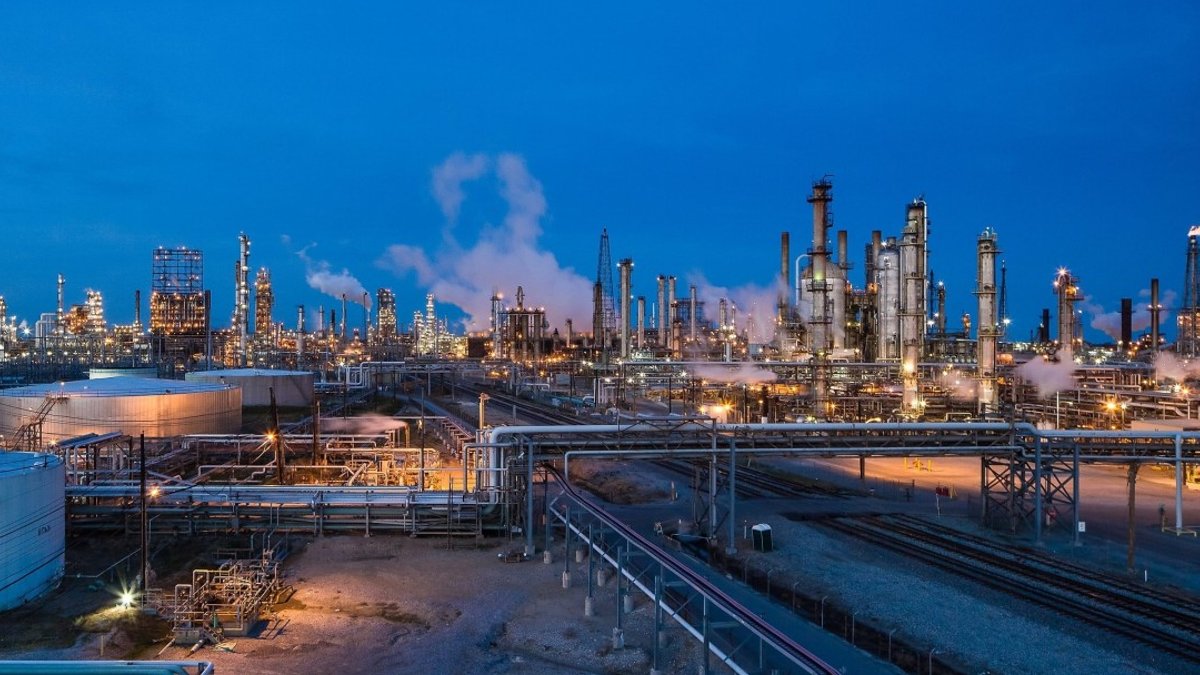
President Donald Trump urged oil producers and processors at a White House meeting to boost fuel output as gasoline averaged over $4 per gallon and drivers faced the most expensive Labor Day weekend on record.
Capacity Already Stretched
U.S. plants have been operating near the top of their design limits all summer.
The Energy Information Administration reported a national utilization rate of 98% for the week ending Aug. 28, with peaks above 103% in the Midwest.
One analyst noted that “with refineries running at the closest pace to capacity in years, there’s really no more room for U.S. refiners to process more oil‑Venezuelan oil or anything else… refiners have been operating over 95% all summer long,” said Patrick De Haan, head of petroleum analysis at GasBuddy.
Related: Hormuz Shipping Slumps After U.S.-Iran Strikes
Investment Calculus Stalls New Build
Even though refining margins have surged, major processors are reluctant to commit billions to new construction that would not break even for years. “Nobody’s going to go out and make a huge multibillion‑dollar investment based on three months of record margins,” explained Robert Campbell, an analyst at Energy Aspects.
Projected demand for gasoline is expected to flatten and may even decline as electric‑vehicle adoption accelerates, making the long‑term return on a fresh plant uncertain.
The firms that attended the White House session—among them Chevron, Marathon Petroleum, Valero Energy and PBF Energy—have signaled no intention to launch new crude‑processing sites.
The logic is simple: a five‑year‑out construction timeline would coincide with a market that could be contracting, leaving the asset under‑utilized from day one.
Related: Super fund targets lifetime income for members
In practice, this hesitation means drivers will continue to see price swings tied to short‑term supply shocks rather than any new domestic capacity coming online. The lack of fresh projects also keeps the industry dependent on existing, aging plants that require frequent turnarounds to stay safe and efficient.
Global Tightness Adds Pressure
Worldwide, about 7–8 million barrels per day of refining capacity are offline.
“The all‑time high crack spread is not a crude story. It is a refining story,” said Chris Grigg.

Hormuz Shipping Slumps After U.S.-Iran Strikes


