Australia’s Beetaloo gas production begins
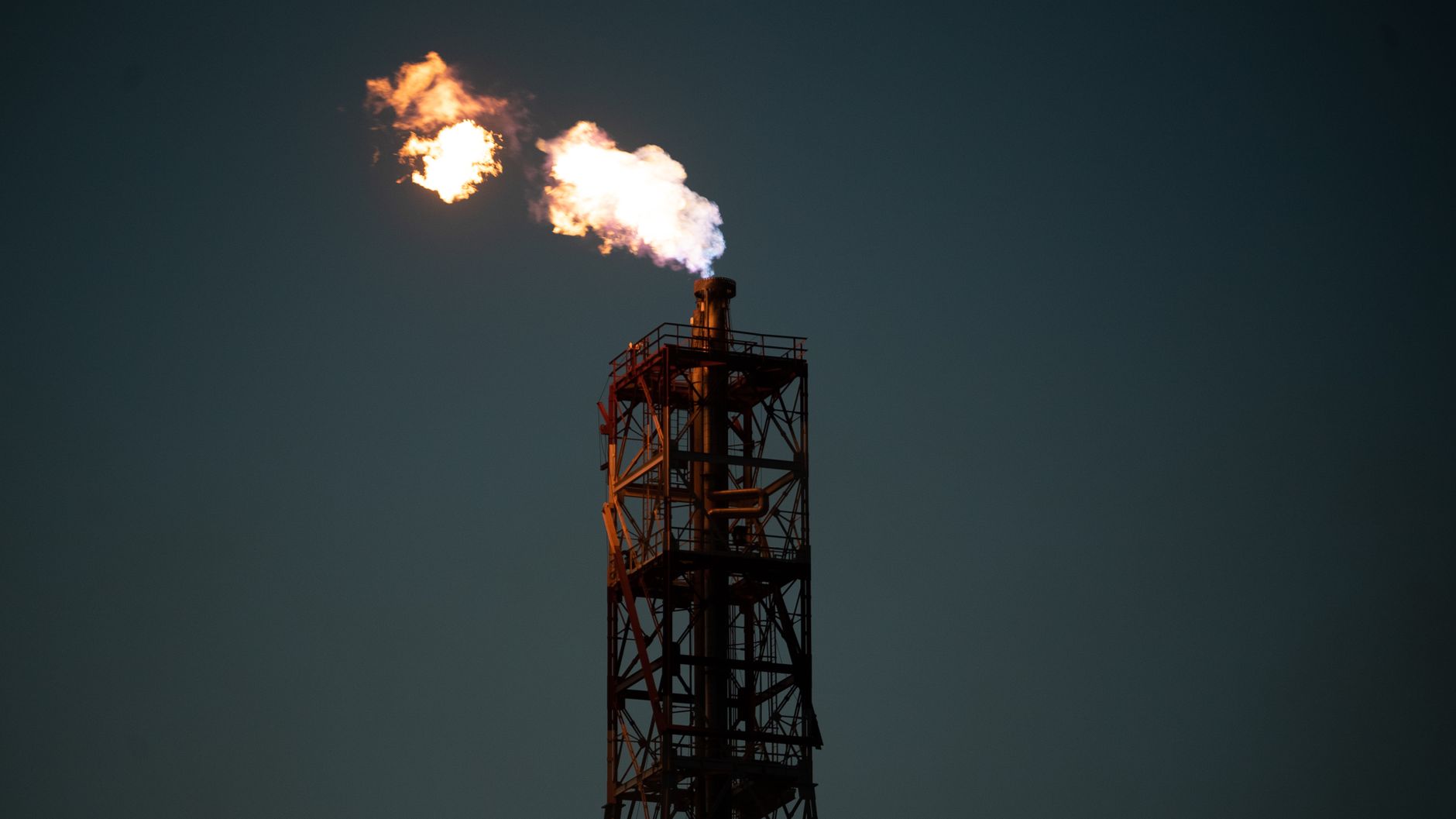
Australia’s Beetaloo shale basin will start producing gas next month, potentially following the path of the U.S. shale boom. Early output should reach 37 million cubic meters, with later plans to expand to over 1 billion cubic meters daily.
The basin, in the Northern Territory, contains an estimated 500 trillion cubic feet of gas—similar to the Marcellus shale play in the United States. Officials view it as a foundation for a new liquefied natural gas export hub, though it has developed more slowly than conventional gas projects.
First gas headed to Darwin
The first production will travel to Darwin to supply local demand while operators evaluate well performance. Tamboran Resources and Beetaloo Energy, the firms leading the project, want to study depletion rates before increasing output.
Tamboran’s CEO, Todd Abbott, said the basin might one day supply 9% of Australia’s LNG export capacity. That goal depends on finding long-term buyers and managing the high costs of shale development, which have delayed progress in the region.
Japan’s role in the basin’s future
Japan, Australia’s biggest gas customer, has shown interest. Inpex, a large Japanese energy company, bought land in the Beetaloo basin from Formentera Partners, indicating confidence in the project.
Related: Mulino Unveils Major Super Reform Plan
“A project like this needs a partner with deep pockets willing to spend billions over years before proving commercial potential, and that hasn’t existed until now,” said Saul Kavonic, a senior energy analyst at MST Marquee. The move signals growing momentum, though the basin’s future success is not guaranteed.
Operators are now concentrating on steady early production. If the effort succeeds, Beetaloo could help reduce worries about gas shortages on Australia’s east coast, where heavy exports have strained local supply. The coming months will show whether the basin can meet expectations or become another stalled project.
One issue will be managing exports alongside domestic needs. Australia has faced criticism for favoring overseas sales over local energy security, and Beetaloo’s growth may spark that debate again. If production grows as planned, it could change Australia’s position in the global LNG market, especially as Asian demand stays strong.
The Northern Territory government calls the basin an economic opportunity, but the situation is complex. Shale projects need continuous funding, and early wells often fall short of predictions. Even in the United States, where shale changed the energy industry, some areas have struggled or faced environmental opposition.
For local residents, success could bring jobs and better infrastructure. It also carries risks—land conflicts, water use concerns, and reliance on a single industry. The first gas shipment next month marks only the start of a long trial.

Coal Dominates Global Power Generation


