Reforms sought for affordable super advice
Australians are turning to artificial intelligence to fill a gap in superannuation and retirement guidance, a new study shows, prompting calls for affordable advice reforms.
AI tools already in use for super and retirement queries
Research commissioned by the Super Members Council (SMC) and conducted by RepTrak found that two‑thirds of Australians have either used AI for super and retirement information or would consider it. More than one in three respondents reported already using tools such as ChatGPT, Gemini or Claude to learn the basics, ask questions and compare options.
Among those who have tried AI, the most common purposes were educational – understanding how super works, checking eligibility for retirement benefits, and weighing different investment strategies. The study noted that many users still treat AI output as a first step rather than a final decision.
Persistent concerns limit reliance on AI alone
Despite the growing uptake, the research highlighted widespread wariness about depending on AI for major financial choices. Privacy, security and accuracy were the top concerns cited. A majority of participants said they would prefer to discuss sensitive personal finance matters with a human adviser.
Related: Future Group expands super fund operations
Almost half of those surveyed said they would verify AI‑generated information by contacting their super fund directly. Others would look to government websites, financial advisers or other professionals for confirmation before acting on any recommendation.
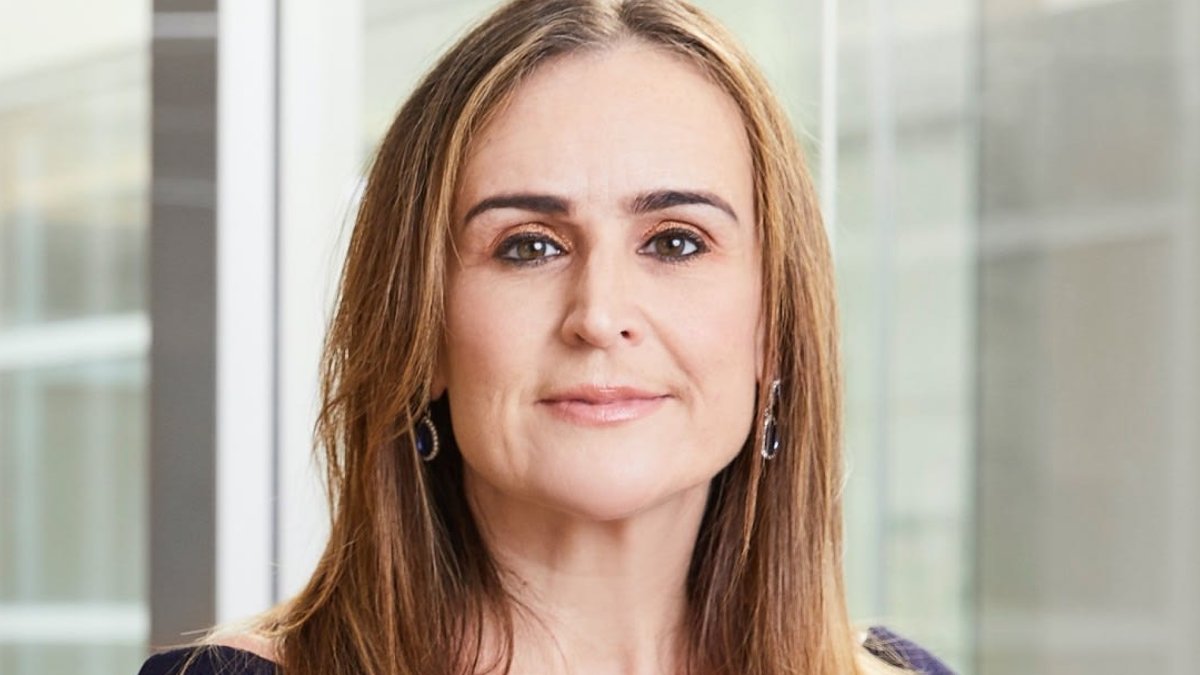
“People are also telling us they really don’t want to rely on AI alone. They want trusted sources of information, strong consumer safeguards, and access to human support and reassurance,” said SMC chief executive Misha Schubert.
The data also revealed a detailed view of AI: while respondents expressed reservations about general‑purpose tools, they showed strong interest in AI applications developed by reputable superannuation experts. The SMC suggests that technology could play a larger role in financial education if backed by credible organisations and appropriate oversight.
In practice, this means that an average retiree might use an AI chatbot to get a quick summary of contribution limits, then follow up with a call to their fund manager to confirm the details. The split between convenience and verification reflects a desire for both speed and certainty.
Calls for legislative change to bridge the “missing middle”
Schubert argues that the findings bolster the case for the government’s Delivering Better Financial Outcomes reforms, which aim to broaden access to affordable financial advice. “Australians shouldn’t have their advice options limited to only expensive full‑service financial advice on the one hand or the Wild West of unregulated AI tools on the other,” she said.
Related: Super funds drive gender equality among advisers
The proposed reforms would create a middle tier of services, offering cost‑effective guidance without the high fees of full‑service advisers. This could help those who are currently underserved by the existing system, a group the report describes as the “missing middle.”
From a practical standpoint, the reforms could mean that a person with a modest super balance would be able to obtain a tailored advice package for a fraction of today’s cost, while still receiving oversight from a qualified professional. Such an option might reduce the temptation to rely solely on free AI tools that lack regulatory safeguards.
Industry observers note that the push for affordable advice reforms aligns with broader trends toward digital financial services. However, they caution that any new framework must address the same privacy and accuracy concerns that currently limit AI adoption.
The SMC’s report notes that Australians are open to technology‑enhanced financial education, provided it is delivered by trusted entities. As policymakers weigh the Delivering Better Financial Outcomes reforms, the balance between innovation and consumer protection will be a key factor in shaping the future of retirement planning.

Future Group expands super fund operations


