Trade shifts from cost savings to resilience amid geopolitical risks
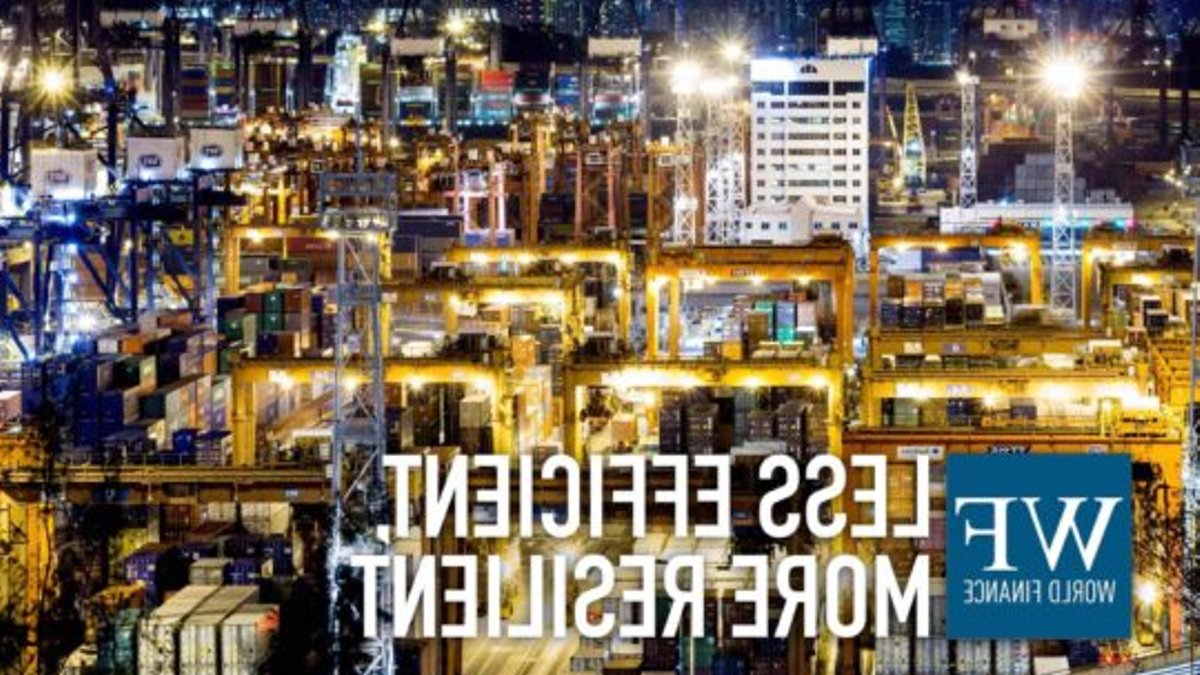
Global trade is undergoing a transformation, one that places reliability ahead of cost savings as political tensions alter supply chain strategies. Companies now evaluate stability alongside pricing when selecting suppliers, marking what he calls a basic restructuring of international commerce.
The foundation of globalization has always depended on arbitrage, moving inexpensive products between regions for resale at higher prices. However, escalating conflicts—including the US-Iran tensions, the Israel-Hamas war, and the Russia-Ukraine war—have forced businesses to account for additional factors. Stiegeler points out that firms must now maintain higher inventory levels, pay raised insurance premiums, and accept extended delivery times, all of which inflate end prices for customers.
Market behavior already demonstrates this transition. When critical shipping lanes, such as those through the Red Sea or Suez Canal, face interruptions, currency fluctuations, freight rates, and insurance costs surge almost instantly. These rapid adjustments indicate that companies no longer view geopolitical disruptions as temporary issues.
Firms are now questioning whether the lowest-priced supplier justifies the risk of instability. Trustworthiness has emerged as a primary factor, reshaping how businesses weigh cost against security. Stiegeler asks. This reevaluation signals a broader economic shift, where consistency may now surpass short-term financial gains.
The change extends beyond theory. Disruptions in conflict zones prompt immediate market reactions, proving that geopolitical risks are now embedded in trade calculations. Insurers and freight providers adjust pricing dynamically, incorporating uncertainty into the cost structure of global commerce. This evolution reflects a fundamental shift: businesses no longer assume a return to pre-crisis stability. Instead, they are designing systems that anticipate frequent interruptions.
Stiegeler’s perspective suggests that future trade will no longer prioritize cost minimization above all else. Instead, companies will likely favor supply chains capable of enduring disruptions, even if those choices lead to higher expenses. The outcome could be a slower but more stable global economy, where adaptability replaces speed as the top concern.
Geopolitical Tensions as a Driver of Economic Shifts
EBC Financial Group’s Christopher Stiegeler links current conflicts, such as those involving the US and Iran, Israel, and Ukraine, to a broader reassessment of globalization. He notes that persistent instability may force businesses to accept less efficient but more secure trade models, altering long-standing assumptions about cost-based decision-making.
The recent escalations suggest that geopolitical risks are no longer seen as isolated incidents but as permanent features of global commerce. This shift could reduce reliance on arbitrage-driven trade, where low-cost production was prioritized over stability, and instead encourage strategies that prioritize reliability over short-term savings.
Market responses to disruptions, such as those in the Red Sea or Suez Canal, reinforce this trend. Freight costs, insurance rates, and currency volatility now reflect embedded uncertainty, signaling that companies are preparing for prolonged instability rather than temporary setbacks.


