Global oil supply faces mounting security risks
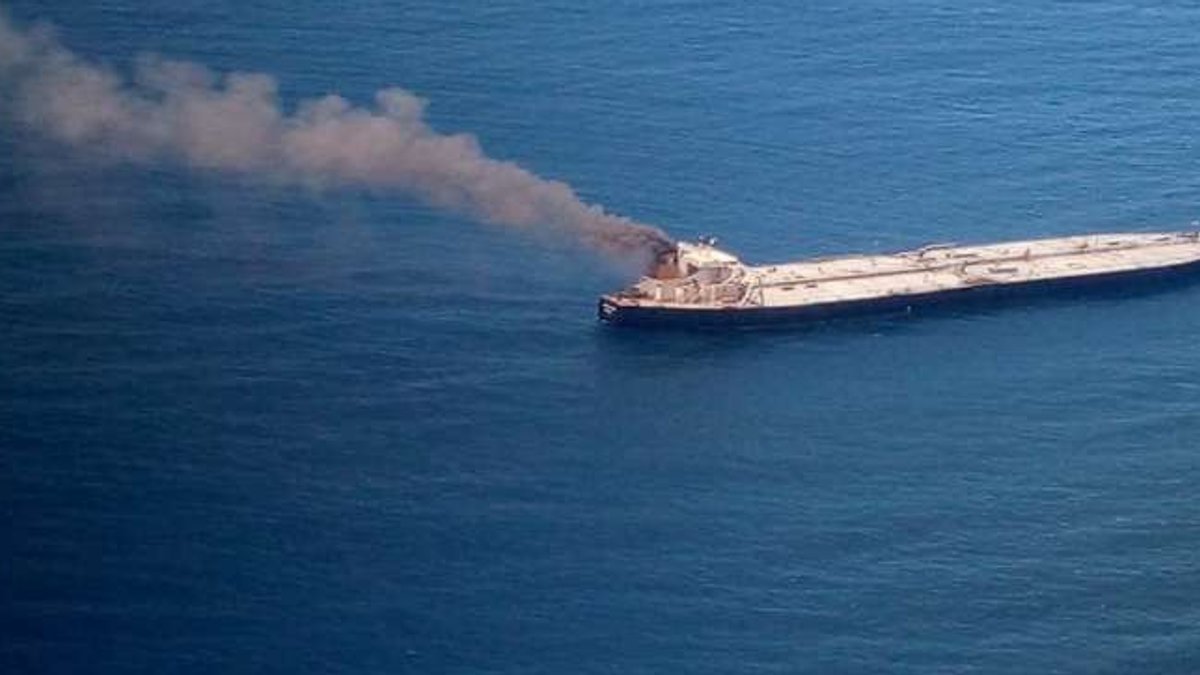
Almost half of the world’s oil supply is produced in regions currently engaged in hot conflicts, raising urgent concerns about the stability of long-term oil supply security. The situation raises questions about the limits to diversification.
The Middle East remains the most significant source of disruption, though the impact of kinetic warfare has expanded into critical energy infrastructure elsewhere. In Eastern Europe, drone strikes targeting Russian refineries have hampered fuel output. Because Russia functions as the world’s second-largest exporter of refined fuels, these localized attacks have created a ripple effect that extends well beyond national borders.
Refining capacity serves as a primary point of failure. It has shrunk considerably over the past decade or so, particularly across Europe. This deficit leaves the continent heavily reliant on imports, with diesel prices currently sitting 70% higher than in February. As persist in their volatility, many analysts are now warning that the crisis in fuels is the one that needs to be addressed.
Attacks on maritime chokepoints have further complicated the movement of essential commodities. Shipping firms are increasingly diverting tankers away from traditional routes to avoid hostile actions near the Yemeni coast. Longer voyages add significant overhead to the final price of cargo, compounding the financial strain already placed on importing nations.
Related: Oil prices drop on Iran Oman talks
Existing inventory levels offer little buffer against these mounting challenges. Crude stocks are currently at their lowest point in 12 months. Upcoming maintenance at Canadian oil sands facilities is expected to remove an additional 300,000 barrels per day from the market in September. Meanwhile, Venezuelan exports slipped from 1.2 million barrels per day in June to 1.16 million in July, a decline attributed to dwindling storage withdrawals rather than a surge in production capacity.
The cumulative impact of these developments continues to influence global economic indicators.
Market uncertainty persists.
While some facilities in conflict zones have returned to service following repairs, the process remains slow and unpredictable. Export bans on gasoline and diesel in certain regions further limit the ability of the market to self-correct during periods of acute scarcity. According to Reuters, the countries involved were discussing joint management of the Strait of Hormuz.

Oil prices drop on Iran Oman talks


