Exxon in Talks to Buy Shell’s US Chemicals Arm
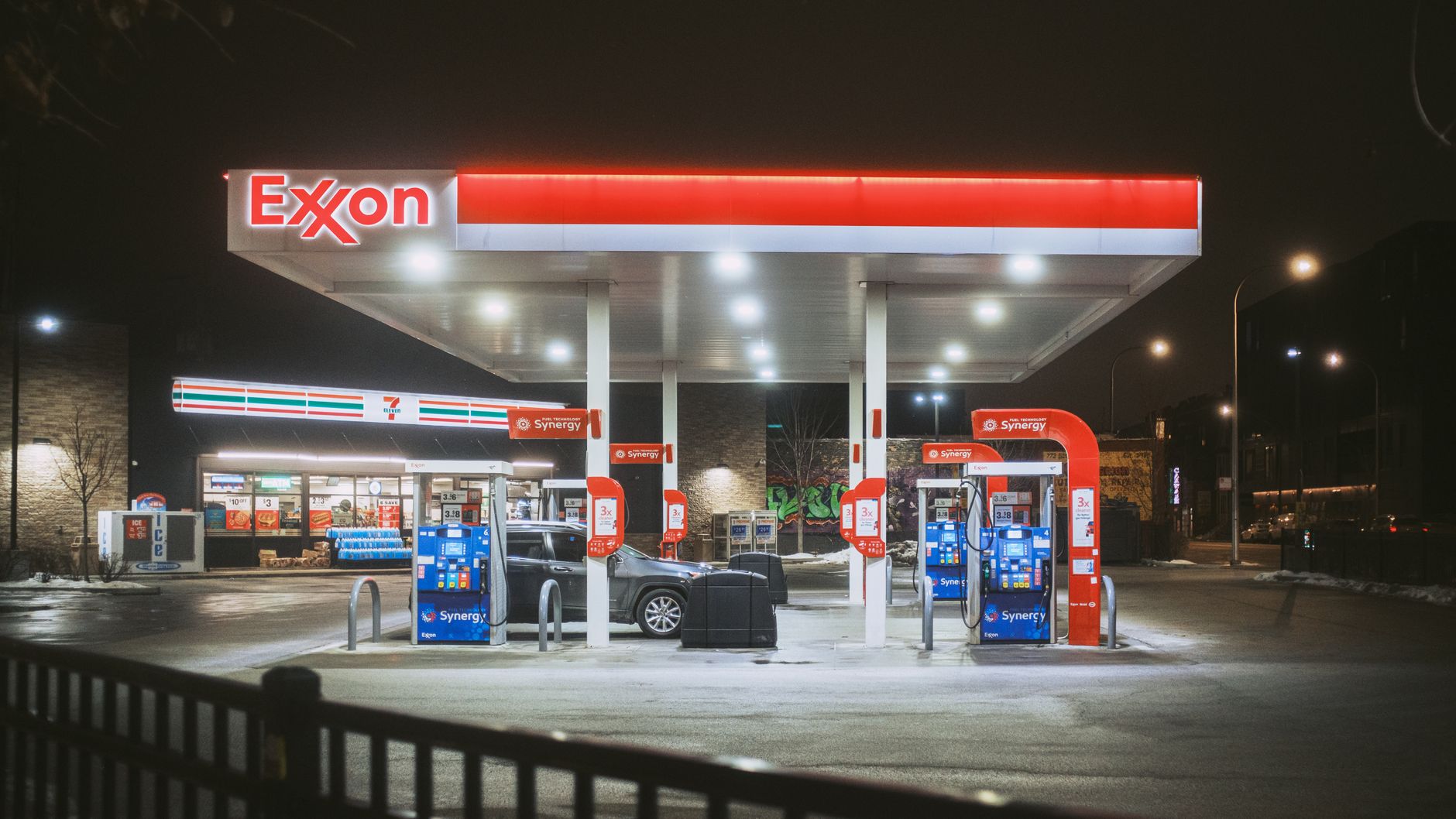
Exxon is among the suitors circling Shell’s U.S. chemicals business, a portfolio that could sell for around $8 billion, according to a report citing unnamed sources familiar with the matter. The U.S. supermajor faces competition from LyondellBasell, Apollo Global Management, and Kuwait Petroleum Corporation, the sources said. Interested parties have already submitted non-binding offers to Shell, with bids ranging from partial purchases to a full acquisition of the division.
What Shell is selling
Shell’s American chemicals operations include four facilities spread across Louisiana, Texas, and Pennsylvania. Those plants produce chemicals that feed into plastics manufacturing, detergent production, and other industrial uses. The company has not confirmed the sale process publicly, and the reported $8 billion price tag remains an estimate tied to the ongoing bidding.
Related: AI Growth Halted by Critical Gas Turbine Shortage
The potential divestment fits a broader pattern for Shell. It recently closed two separate asset sales: its European onshore wind and solar business went to TotalEnergies, and a stake in a gas project offshore Cyprus was sold to Hungary’s MOL. The Cyprus deal involved a 35% interest in Block 12, which MOL acquired for $720 million.
A shift toward LNG and value
Shell has spent more than a year signaling that it would trim its power portfolio to “ensure capital is allocated where it can deliver the strongest long-term value.” That line came from the company’s Capital Markets Day 2025 presentation, and management has followed through with a series of disposals since then. The TotalEnergies transaction, announced earlier this month, covers 500 megawatts of renewable capacity in operation and development, plus a pipeline of future projects across Italy, the Netherlands, Spain, and the UK. That deal is subject to regulatory approvals and is expected to close by the end of 2026.
Shell isn’t selling from a position of weakness in chemicals. The division actually contributed to the company’s second-quarter results, which showed adjusted earnings of $9.84 billion, supported by higher oil and gas prices, stronger refining margins, and improved chemicals margins. The sale appears to be less about poor performance and more about reshaping the company around liquefied natural gas and other core priorities.
Related: ART to offload Epic Energy in reshuffle
For the workers and communities tied to those four chemical plants, the ownership change could come with uncertainty. A buyer like LyondellBasell would bring deep operational experience in the sector, while Apollo or Kuwait Petroleum would represent different strategic goals entirely. The outcome of the bidding process, expected to unfold over the coming months, will determine whether the facilities remain under integrated energy ownership or shift to a more specialized operator.
Shell has not commented publicly on the reported offers, and no deal has been confirmed. Its recent moves suggest it remains comfortable parting with assets that no longer fit its long-term direction, even when those assets are still generating solid returns. Suitors are weighing the value of a chemicals unit that still performs well, even as the parent company pivots its focus toward gas and higher-margin ventures. A sale could close within the next year if negotiations proceed smoothly, though the timeline remains fluid given the range of bids on the table.

AI Growth Halted by Critical Gas Turbine Shortage

JPMorgan and Santander Lead Argentina LNG Financing
Related Articles


 Healthy Builds